For many registered investment advisers (RIAs), spreadsheets have long been the trusted tool for managing compliance activities because they are familiar and cost-effective enough to track certifications, disclosures, audits, regulatory filings, and annual review requirements across the firm.
However, as regulatory obligations, documentation requirements, risk monitoring, and vendor oversight continue to grow, many firms are finding that spreadsheets no longer provide the visibility, accountability, and efficiency needed to support a modern compliance program.
Spreadsheets were designed to organize information, not manage compliance programs. As firms grow, compliance data often becomes scattered across spreadsheets, email chains, shared drives, and multiple legacy applications. Teams spend valuable time updating trackers, following up on tasks, compiling reports, and preparing documentation for audits or disclosures.
Common challenges include:
For many RIAs, these inefficiencies have become difficult to ignore.
The SEC's recordkeeping expectations reinforce the need for reliable compliance systems and has reiterated the following:
"Every investment adviser ... shall make and keep true, accurate and current books and records relating to its investment advisory business."
As compliance obligations become more complex, spreadsheets can make documentation, oversight, and audit readiness increasingly difficult to manage. RIAs, wealth management firms, and financial advisors need a robust compliance management solution like SurgeONE Compliance to streamline workflows, improve visibility, and maintain regulatory readiness.
SurgeONE Compliance is a part of SurgeONE.ai suite and it specializes in transforming the way regulatory compliance is managed. Its AI-driven technology scans regulatory sources like SEC and FINRA for any new regulations, changes to existing rules, or significant regulatory events.
1. Better Visibility Across the Compliance Program
One of the biggest challenges with spreadsheets is understanding the overall health of a compliance program. Information is often spread across numerous files, making it difficult to identify outstanding tasks, open items, or emerging risks.
Compliance management software centralizes compliance activities and provides a real-time view of program performance.
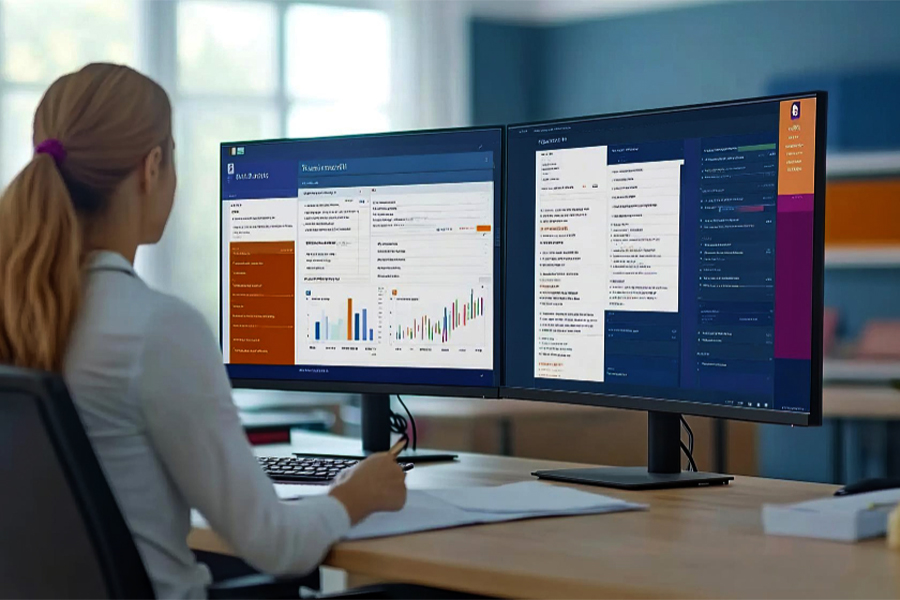
How SurgeONE Compliance Helps: SurgeONE’s Compliance Dashboard and Oversight Hub bring together assessments, policy activity, pending tasks, findings, regulatory developments, and key compliance metrics into a single view. This gives compliance teams a clearer understanding of program status, helps prioritize areas requiring attention, and supports more informed oversight of WSP execution and compliance operations.
2. Improved Accountability and Ownership
Compliance activities often involve multiple stakeholders. With spreadsheets, it can be difficult to determine who is responsible for a task and whether it has been completed.
Compliance management software introduces structured workflows, deadlines, approvals, and task ownership.
How SurgeONE Compliance Helps: Through dedicated module like My Tasks, Compliance Calendar, Employee Onboarding, Certifications, and Dynamic Workflows, SurgeONE helps firms assign responsibilities, automate review and approval processes, track progress, and maintain clear ownership. Automated reminders and centralized task management reduce the risk of missed deadlines and strengthen accountability across the organization.
3.Easier Regulatory Evidence Retrieval
Preparing for an SEC audit can be stressful when documentation is stored across multiple spreadsheets and folders. Locating evidence, approvals, and supporting records often becomes a manual exercise.
Compliance management software centralizes documentation and maintains historical records that are easier to retrieve.
How SurgeONE Compliance Helps: The Document Library, Audit Trail, Reports, Audits, and Exam Center provide a centralized repository for compliance records and supporting evidence. Firms can quickly access historical documentation, demonstrate completed activities, track remediation efforts, and respond to regulatory requests with greater confidence and efficiency.
4. Staying Current with Regulatory Change
Keeping up with new rules and regulatory developments is increasingly difficult when compliance teams rely on manual monitoring processes.
Modern compliance management software helps firms take a more proactive approach to regulatory oversight.
How SurgeONE Compliance Helps: SurgeONE Compliance continuously monitors more than 100 regulatory sources and delivers updates through Regulatory Alerts Summary and Regulatory Explorer. By providing timely alerts, summaries, and regulatory context, the platform helps firms identify relevant changes earlier and evaluate potential impacts on policies, procedures, and compliance obligations.
5. Reduced Administrative Burden
Many compliance teams spend significant time managing forms, certifications, disclosures, approvals, and recurring compliance activities through spreadsheets.
Compliance management software helps automate repetitive processes and improve consistency.
How SurgeONE Compliance Helps: Forms management, Certifications, Employee Onboarding, Disclosures, and configurable workflows streamline the entire submission, review, approval, and tracking lifecycle. Compliance teams can focus more on risk management and strategic oversight with the help of role-based access controls and permissions.
6. Smarter Risk Identification
Spreadsheets can show information, but they rarely help firms identify patterns, prioritize risks, or surface areas requiring attention.
Dedicated compliance management software provides deeper visibility into compliance risks.
How SurgeONE Compliance Helps: AI-powered capabilities across Vendor Management, Disclosures, Advertising & Marketing, Audits, Data Co-Pilot, and Ask Avery help firms detect potential risks, identify trends, highlight exceptions, and prioritize remediation efforts. This enables compliance teams to move beyond reactive monitoring and make more informed decisions.
Replacing spreadsheets with compliance management software can give RIAs better visibility, clearer ownership, faster regulatory responses, and stronger audit readiness. It also reduces administrative work and makes compliance easier to scale as the firm grows. With fewer manual updates and follow-ups, compliance teams can focus on identifying risks, improving administration, and strengthening the overall compliance program.
Spreadsheets may work when a compliance program is small, but they become harder to manage as the firm grows. As compliance expectations continue to dynamically evolve, more RIAs are adopting compliance management software to improve process visibility, automate workflows, strengthen accountability, and adhere to regulatory changes.
SurgeONE Compliance helps firms make that transition by bringing compliance oversight, regulatory intelligence, documentation management, workflow automation, and AI-powered insights together in a single platform, allowing your teams to spend less time managing spreadsheets and more time managing compliance risk.

The regulatory record for financial services. One platform unifying compliance, cybersecurity, data, and AI governance for regulated financial firms.